Find Out How Our Home Buying Process Works! 100% FREE!

Can I Sell My Home If It’s In Foreclosure in Maryland?

With a cash buyer, you can skip the lengthy process of foreclosure, eviction, and auction within a matter of days, and save your credit as well! Fill out the form and we’ll get back to you about your cash offer!

"*" indicates required fields

Foreclosure occurs when a homeowner is unable to make their mortgage payments on time and has no way to catch up on the missed payments. Because a mortgage is a legal agreement between you and your lender, once you’ve defaulted on the loan, the lender can auction off the property to cover any outstanding debts, leaving you homeless and with terrible credit.
No one wants to receive a notice of foreclosure and yet, in a nationwide study, nearly 1 million Americans were afraid of losing their homes (U.S. Census Bureau Household Pulse Survey, fielded from July 27 to Aug. 8, 2022). Foreclosure can occur from a number of reasons, including:

Perry Hall Investment Group is a local company operating in Maryland that has built their business by buying distressed houses and properties in the area for cash. They promise competitive cash offers without the hassle of dealing with real estate agents, title companies, traditional bank financing, and more!

Listing vs. Selling To Us

Which route is quicker? Puts more cash in your pocket? Has less hassle?

sell your houses for cash baltimore
Selling VS Listing Houses in Baltimore

What is Foreclosure?

Let’s say you or your spouse recently lost your job. You still have the same bills to pay but unfortunately you don’t have the money to cover your expenses, including your mortgage payment. What happens now? Even if you find another job the amount of debt you’ve accrued during that time might be too large for you to pay off in a reasonable amount of time. When this happens, the bank starts the process of foreclosure.

How Much Time Do You Have to Vacate Your Home After Foreclosure?

The steps for foreclosure in most states are missed payments, public notice, foreclosure, auction, and eviction, but the amount of time for each step varies based on state. You could have anywhere from 120 days to nine months before the bank can foreclose using either a judicial or non-judicial foreclosure. During this time, your lender will reach out to you by phone, mail, and email to let you know about the process.

Understanding these foreclosure timelines is critical if you’re trying to save your property or plan your next steps in Baltimore, MD. If you’re facing foreclosure and need quick, reliable solutions, reach out to Houses for Cash Baltimore at to discuss how selling your house fast can help you avoid eviction and protect your credit.

The Different Types of Foreclosure

There are two different types of foreclosure you may experience: nonjudicial foreclosure or judicial foreclosure.
What Is Non-Judicial Foreclosure?

In many cases, a non-judicial foreclosure is the quickest and most cost-effective method a lender can use to reclaim a property in MD. Unlike a judicial foreclosure, this process does not involve filing a lawsuit or going through the court system. Instead, it’s governed by specific state foreclosure laws and is typically initiated through a “power of sale” clause included in the deed of trust or mortgage agreement. When a homeowner in Baltimore falls behind on mortgage payments, the lender may choose this streamlined route to repossess and sell the property in order to recoup the outstanding loan balance.

Because non-judicial foreclosure avoids legal proceedings, it usually saves time and money for the lender—making it the preferred option in states where it’s legally permitted. If you’re at risk of non-judicial foreclosure in Baltimore, it’s crucial to understand your rights and act fast. Selling your house to a qualified cash home buyer in MD before the process is complete may help you avoid long-term credit damage and preserve some of your home equity. Contact to explore your options and get help fast.

What Is Judicial Foreclosure?

In states that require judicial foreclosure, your lender must file a lawsuit asking the court to issue an order to allow for the sale of the home. The lender must provide you with this letter. Whether you agree or not, you must respond to the letter or the lender will automatically win the case and be allowed to put your home up for a foreclosure sale. When the house is sold, you are still required to pay the difference between what you still owe on the mortgage and the amount the house sold for.

Auctions are not like regular home sales and generally the house is not sold for market value. This means that even if your house is in great shape and worth a lot more than what is left on your mortgage, you may still find yourself owing tens of thousands (if not hundreds of thousands) of dollars for a house you no longer own! This is called a deficiency judgment. It’s an expensive and long process for lenders to take to try and recoup their debt, which is why most prefer a non-judicial foreclosure.

Get an offer today, sell in a matter of days.

How to Sell Your House Before Foreclosure in MD

Let’s break down a few ways you can sell your house, depending on your time frame and situation:
client selling houses for cash baltimore

Hire A Real Estate Agent

For most homeowners in Baltimore, the first step they consider when looking to sell a house is hiring a local real estate agent. It’s a traditional route, but when you’re facing financial stress—especially if you owe more than your home is worth or you’re nearing foreclosure—it’s not always the most beneficial. Yes, a licensed real estate agent can help market your property through the MLS, coordinate open houses, and bring buyers to your door. But these services come at a cost.

One of the biggest drawbacks? The commission. Real estate agents typically take 5% to 6% of the final sale price as payment for their services. When every dollar counts and you’re already dealing with negative equity, handing over thousands of dollars in agent fees can make a difficult financial situation even worse. Additionally, agents might suggest staging, repairs, or renovations to make your home market-ready—adding even more time and expense to an already stressful process.

Time is another critical factor. If you’re facing a tight deadline due to pre-foreclosure proceedings, relying on a traditional real estate sale could be risky. Even after receiving an offer, the standard closing timeline is around 30 to 60 days. Unfortunately, in many urgent situations, you simply don’t have the luxury of waiting that long.

trusted partner house image

Short Sale

Another option when you owe more on your mortgage than your home’s current market value is a short sale. In this scenario, your lender agrees to accept less than what’s owed on the mortgage in order to sell the property. For example, if your mortgage balance is $200,000 but your home is only worth $160,000, a short sale could be negotiated to settle the debt.

While this option may seem promising, be prepared—it’s a long and paperwork-heavy process. You must first get approval from your lender, which involves demonstrating financial hardship through tax documents, income statements, and other supporting materials. It can take weeks or even months to secure that approval, and once it’s granted, you’ll still need to find an agent and attorney who specialize in short sales.

Short sales in Baltimore are often used as a last-ditch effort to avoid foreclosure, but they still come with significant drawbacks. Not only does the process take considerable time, but the impact on your credit can be almost as severe as a foreclosure. Most homeowners will see a short sale stay on their credit report for 5 to 7 years, making it difficult to qualify for a mortgage, auto loan, or even a rental in the future.

Houses for Cash Baltimore

Sell Your House AS-IS to A Cash Buyer

IIf you’re wondering how to sell your house fast in Baltimore, especially when you owe more than it’s worth, working with a direct cash buyer could be your best option. Cash home buyers like Houses for Cash Baltimore specialize in buying homes quickly, no matter the condition or financial situation tied to the property. This solution is particularly ideal if you’re facing foreclosure, need to relocate quickly, or can’t afford to make costly repairs.

Here are some key advantages of selling your house as-is to a local cash home buyer:

  • Quick closing—often in as little as 7 days
  • No commissions, closing costs, or hidden fees
  • No need to clean, stage, or fix anything
  • Avoid the lengthy wait time of listing and buyer financing delays
  • Flexible closing dates to fit your timeline

A cash sale can provide immediate relief from mortgage debt and help you avoid the long-term credit damage caused by foreclosure or short sales. And because companies like Houses for Cash Baltimore purchase homes directly, you won’t have to worry about appraisals, inspections, or buyer negotiations. It’s a straightforward, stress-free solution when you’re under pressure and need results fast.

Whether you’re behind on payments or simply in a tough financial situation, selling your house to a professional cash buyer can help you take control of your future. At Houses for Cash Baltimore, we work with homeowners in Baltimore to offer fair, fast cash offers with full transparency—no surprises. Give us a call at to find out how we can help you sell your house fast in Baltimore.

Can You Stop Foreclosure Once it Starts?

Pay Off Your Loan & Fees

Facing mounting debt and the looming threat of foreclosure in Baltimore can feel overwhelming—but there are proactive steps you can take to regain control. Start by exploring any assets or valuables you can liquidate quickly to generate immediate cash flow. This could include selling a second vehicle, unused electronics, or even collectibles. Reach out to trusted friends or family members who may be in a position to offer financial assistance or a short-term loan to help you stay current on your mortgage and avoid foreclosure.

It’s also wise to seek advice from a certified financial advisor. These professionals can help you reassess your current income, prioritize your expenses, and build a manageable repayment plan. A strategic budget makeover may be all you need to reduce your financial strain and preserve homeownership. Combining these methods can help you pay off your late mortgage payments, avoid default, and bring much-needed peace of mind.

Declare Bankruptcy

Bankruptcy is a serious legal decision that should only be considered as a last resort—but for some homeowners, it can be a viable solution to delay or stop foreclosure. Filing for bankruptcy initiates an automatic stay, which temporarily halts foreclosure proceedings and provides some breathing room to reorganize your finances.

There are two main types of bankruptcy for individuals: Chapter 7 (liquidation) and Chapter 13 (reorganization). Each has its pros and cons and will impact your financial future differently. You’ll need to consult with an attorney who specializes in bankruptcy to understand your eligibility and the best option for your situation.

Keep in mind, a bankruptcy filing will appear on your credit report for up to seven years and may significantly affect your ability to obtain future loans, rent housing, or open new credit accounts. The process also includes mandatory government-approved credit counseling, which may help improve your financial habits over time. While bankruptcy might stop foreclosure in its tracks, it can also create long-lasting consequences that are important to weigh carefully.

Sell Your House AS-IS to A Cash Buyer

If your monthly mortgage payments have become unmanageable due to reduced income or unexpected expenses, the Homeowner Affordability and Stability Plan (HASP) may provide relief. HASP is a government-backed loan modification program designed to help homeowners who are at risk of foreclosure by restructuring their mortgage terms to reflect a more realistic monthly payment.

Here are some key advantages of selling your house as-is to a local cash home buyer:

  • Quick closing—often in as little as 7 days
  • No commissions, closing costs, or hidden fees
  • No need to clean, stage, or fix anything
  • Avoid the lengthy wait time of listing and buyer financing delays
  • Flexible closing dates to fit your timeline


A cash sale can provide immediate relief from mortgage debt and help you avoid the long-term credit damage caused by foreclosure or short sales. And because companies like Houses for Cash Baltimore purchase homes directly, you won’t have to worry about appraisals, inspections, or buyer negotiations. It’s a straightforward, stress-free solution when you’re under pressure and need results fast.

Whether you’re behind on payments or simply in a tough financial situation, selling your house to a professional cash buyer can help you take control of your future. At Houses for Cash Baltimore, we work with homeowners in Baltimore to offer fair, fast cash offers with full transparency—no surprises. Give us a call at to find out how we can help you sell your house fast in Baltimore.

Don’t Wait Until It’s Too Late

If you’re falling behind on payments or worried about foreclosure in Baltimore, taking early action is key. Whether it’s liquidating assets, seeking a loan modification, or exploring bankruptcy alternatives, every step you take now brings you closer to financial stability.

And remember, if you’re considering selling your home fast to avoid foreclosure, our team at Integrity House Buyers is here to help. We buy houses in Baltimore as-is—no repairs, fees, or commissions. Call us today at to get a fair, no-obligation cash offer and regain your peace of mind.

Related Articles

selling rental property in Baltimore

5 Tips For Selling Your Rental Property In Baltimore, Maryland

Selling your rental property may feel like a challenge. With tenants living in the home, it can be even more difficult. Utilize these tips for selling a rental property in our latest post!

As a landlord in Baltimore, Maryland, there may come a time when you need to sell your rental property. While waiting until your lease is up is ideal, it may not be the best option for you. Sometimes, landlords find themselves in a situation in which they need to sell a rental property while the tenants are still living there. The only way to properly handle the situation is with open communication and making sure everyone is treated fairly during the process. Below are some things you should keep in mind when selling your house with tenants in Baltimore, Maryland.

Be Mindful Of Your Tenants

Remember, while you own the property, it is also the place that your tenants call home. You need to be respectful of them, their needs, and of the fact that you will potentially be uprooting them from the place they call home. It is not surprising that many people aren’t thrilled about having to move with little to no notice. It is because of this that many landlords offer an incentive such as reduced rent or assistance moving into a new house. Remember, your renters have rights too, so make sure you are acting within your local laws when selling your rental property in Baltimore, Maryland.

Sell Your Property Directly

As a property investor in Baltimore, Maryland, when it’s time to sell your property, you may have the best luck working with a fair, experienced, and professional home buyer. A local and reputable real estate investor will buy your property as-is, whether you have long-term tenants, vacancies, or a lease ending soon.

At Perry Hall Investment Group, we specialize in working with landlords and investors who want to sell underperforming or tenant-occupied properties quickly and without the headaches of listing on the MLS. We understand the unique challenges that come with managing rental properties, and we know how to simplify the exit strategy so you can move on to your next investment or free up capital.

We are actively seeking all types of investment properties for sale in Baltimore, Maryland—single-family homes, duplexes, multi-units, and even fixer-uppers. Our process is fast, confidential, and tailored to your needs. You’ll avoid commissions, staging, and costly repairs.

Before selling, make sure your tenants are informed and cooperative during the process—especially if you’re conducting showings or inspections. Their cooperation can make the transaction much smoother for everyone involved.


Have The Numbers Ready

If you want to sell your rental property to another investor in Baltimore, Maryland, you’ll need to present a clear and organized financial history. Prospective buyers will evaluate the property’s income potential, so be prepared to share details like:

  • Rent roll and lease agreements
  • Operating expenses (utilities, taxes, insurance, property management fees)
  • Maintenance records and repair history
  • Capital improvements or recent upgrades
  • Current vacancy rate and tenant payment history

Having a track record of reliable tenants and strong rental income can make your property more attractive to other investors. Consider creating a simple portfolio package or offering an investment summary sheet for potential buyers. If your property has solid cash flow, it could be seen as a turn-key opportunity for the right buyer.


Appeal To Buyers Looking For A Home Of Their Own

If your rental property isn’t generating the returns you hoped for, it may be more appealing to traditional homebuyers than to investors. Owner-occupants are often willing to pay more than investors, especially if the home is well-maintained and in a desirable neighborhood.

However, going this route often means working with a real estate agent in Baltimore, Maryland, preparing the home for showings, possibly making repairs, and enduring the traditional sales timeline. The property may sit on the market for weeks or months, and you’ll also have to navigate buyer inspections, contingencies, and potential financing delays.

If you’re in a financial crunch or simply want to avoid the uncertainty and delays of a retail sale, listing on the MLS may not be your most efficient option. Instead, consider all your selling paths to make the best decision for your timeline and financial goals.


Offer The Property To Your Tenants

Before exploring other selling strategies, offering the property to your current tenants can be a smart first step. Long-term tenants who treat the property like their own may be interested in purchasing, which saves you time and money.

Not only will you avoid turnover costs, repairs, and agent commissions, but your tenants also get the benefit of staying in a place they already call home. It’s a win-win—if they’re financially qualified.

Before moving forward, ensure they can secure financing, make a down payment, and cover closing costs. You may even consider offering seller financing or rent-to-own options if they’re not quite mortgage-ready. Be cautious and verify their qualifications before investing time into this path.


Sell With Tenants In Place—Fast and Easy

Selling your Baltimore, Maryland house with tenants can be a challenge, especially if the lease is long-term or the tenants are uncooperative. Many investors choose to wait until the lease expires, but this isn’t always practical—especially if the property is draining your finances or you’re ready to reinvest elsewhere.

When you sell your house directly to Perry Hall Investment Group, you can sell your rental property with tenants in place, without disrupting their living situation or dealing with legal red tape. We work with both landlords and tenants to ensure a respectful, smooth transition.

No evictions, no delays, no uncertainty. Whether your tenants are long-standing or recently moved in, our team can handle the communication and logistics. The process will be fast, efficient, and seamless—designed to help you liquidate your investment property quickly and stress-free.
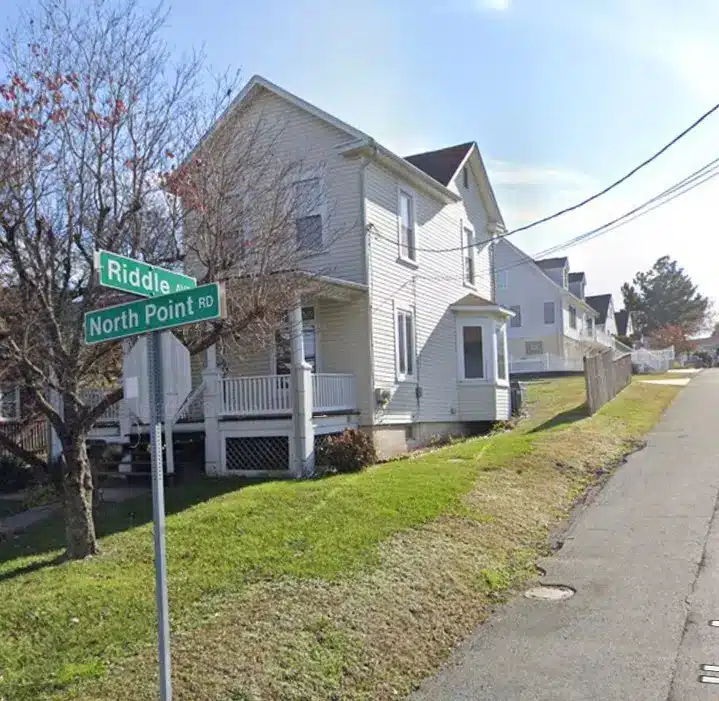
Learn more about selling your rental property in Baltimore, Maryland! Reach out to us today for more information! (410) 989-5200

homeowners insurance in Baltimore

Homeowners Insurance 101: A Guide for Homebuyers in Baltimore, MD

Homeowners insurance. You know you should probably have it, and if you have a mortgage, you’re required to have it. But how much do you know about it beyond that – what it covers (and does not cover), the types of policies, how much coverage you need? What happens in case of minor damage from a storm, or even something as rare as fire damage? If you’re not familiar with these things, you may very well be overpaying and/or be underinsured. To help you out, we’ve put together this homeowners insurance guide for homebuyers in Baltimore, MD.

Homeowners Insurance Overview

Homeowner’s insurance is a safety net. It will “compensate you if an event covered under your policy damages or destroys your home or personal items. It will also cover you in certain instances if you injure someone else or cause property damage.”

The three main functions of this insurance are to…

  1. “Repair your house, yard and other structures.
  2. Repair or replace your personal belongings.
  3. Cover personal liability if you’re held legally responsible for damage or injury to someone else.”

There are three basic levels of coverage with homeowner’s insurance  – actual cash value, replacement cost, and extended replacement cost/value. In addition, “[p]olicy rates are largely determined by the insurer’s risk that you’ll file a claim.” This risk is assessed on the basis of “past claim history associated with the home, the neighborhood, and the home’s condition.”

Types of Policies

There are several types of homeowner’s insurance (also called “policy forms”), with some providing more coverage than others. The most common policy types are . . . 

HO-1 AND HO-2

The least popular types of homeowners insurance—HO-1 and HO-2—offer the most limited protection and can leave homeowners exposed to significant out-of-pocket costs in the event of damage. These basic policies provide coverage only for specific perils that are explicitly listed in the policy, meaning if the cause of damage isn’t on that list, you won’t be covered. Together, these stripped-down options account for just about 8% of all homeowners insurance policies in the U.S.

HO-2, the more common of the two, typically covers your home and personal belongings against 16 named perils, which often include events like fire, theft, hail, and certain types of water damage. While it offers more coverage than HO-1, it still lacks the comprehensive protection of broader policy types like HO-3 or HO-5. HO-1, on the other hand, is rarely offered today and provides the most minimal coverage—it usually only protects against about 10 perils and often excludes things like personal property or liability coverage altogether.

While these policies might appeal to budget-conscious homeowners, it’s important to understand the trade-offs. Opting for a cheaper premium could mean far less financial protection when disaster strikes. For homeowners in high-risk areas or with older or damaged properties, exploring more robust insurance options may provide better peace of mind in the long run.

HO-3

HO-3 insurance policies—commonly referred to as “special form” coverage—are the standard choice for most homeowners, making up nearly 80% of all insurance policies on owner-occupied residences. If you’ve financed your home with a mortgage, your lender will almost certainly require you to maintain at least this level of coverage, as it offers a solid balance between protection and affordability.

What makes HO-3 policies so popular is their broad protection for the structure of your home. They operate on an “open perils” basis, meaning your home is insured against all types of sudden and accidental damage—unless the cause is explicitly excluded in the policy. Common exclusions include natural disasters like earthquakes or floods, which require separate policies or endorsements. When it comes to personal belongings, however, HO-3 policies take a more limited approach, covering only damage caused by 16 specifically named perils such as fire, theft, or vandalism.

If you want full protection for your personal items—especially high-value possessions—you may need to purchase additional endorsements or upgrade to an HO-5 policy, which extends open-perils coverage to both your home and belongings. Overall, HO-3 offers a reliable middle ground, giving homeowners a strong safety net against unexpected events while allowing for customization based on your needs and risk factors.

HO-5

Also known as comprehensive form or premier coverage, the HO-5 insurance policy offers the highest level of protection available for homeowners. It provides broad, all-risk coverage for both the structure of your home and your personal belongings—meaning it covers damage from any cause unless that cause is specifically excluded in the policy. Common exclusions typically include predictable or preventable events like neglect, mold, floods, earthquakes, or infestations, which would require separate coverage or endorsements.

Unlike other policy types, such as HO-3—which only provides named peril protection for personal belongings—HO-5 extends open-perils coverage to both the home and everything inside it. This means you’re protected even if the cause of damage isn’t explicitly listed, offering peace of mind against unexpected disasters.

However, this premier level of coverage is generally reserved for newer, well-maintained homes located in lower-risk areas. Insurers often have stricter eligibility requirements, and not all providers offer HO-5 policies due to the broader risk they assume. That said, for homeowners who qualify, HO-5 is often worth the slightly higher premium, as it significantly reduces the likelihood of claim denials and out-of-pocket expenses when the unexpected happens.

Replacement Cost, Actual Cash Value, and More

You also need to be aware that “[i]fyour home is destroyed, your homeowner’s insurance company isn’t likely to simply write you a check for the amount listed on your policy. Your payout could differ depending on the cost to rebuild and the coverage you chose – and much of it will be paid directly to contractors rebuilding your home, in many cases.”

Concerning this, here are some things you need to consider when deciding on coverage:

REPLACEMENT COST

This type of coverage, often referred to as extended or guaranteed replacement cost coverage, ensures that your insurer will cover the full cost to rebuild your home—even if that amount exceeds your policy’s original limits. It’s especially valuable in today’s volatile housing market, where construction costs can spike due to inflation, labor shortages, or supply chain disruptions. For example, if a major storm impacts your region and demand for materials and contractors surges, rebuilding your home could cost significantly more than it did when your policy was written. Without this type of coverage, you could be left paying the difference out of pocket. By including extended replacement cost protection, you’re shielding yourself from these unpredictable increases and ensuring that your home can be fully restored to its previous condition, regardless of market fluctuations.

ACTUAL CASH VALUE

“Actual cash value coverage pays the cost to repair or replace your damaged property, minus a deduction for depreciation. Most policies don’t use this method for the house itself, but it’s common for personal belongings.”

FUNCTIONAL REPLACEMENT COST VALUE

This type of coverage will pay to repair damage to your home, but possibly with cheaper materials than the original. For example, damage to plaster walls may be repaired with drywall, which is cheaper.

REPLACEMENTCOST VALUE

“Replacement cost value coverage pays to repair your home with materials of ‘like kind and quality,’ so plaster walls can be replaced with plaster. However, the payout won’t exceed your policy’s dwelling coverage limits.”

EXTENDED REPLACEMENT COST VALUE

This type of coverage “will pay out more than the face value of your dwelling coverage, up to a specified limit, if that’s what it takes to fix your home.” This limit is typically a percentage or a dollar amount, but in either case, it provides “a cushion if rebuilding is more expensive than you expected.”

Guaranteed Replacement Cost Value

“Guaranteed replacement cost value coverage pays the full cost to repair or replace your home after a covered loss, even if it exceeds your policy limits.” The catch, though, is that this level of coverage isn’t offered by all insurance companies.

Determining Amount of Coverage Needed

Now, you need to determine exactly how much coverage you need from your homeowner’s insurance. You’ll need enough coverage to rebuild/repair your home in the case that is destroyed or severely damaged. You can estimate the cost to rebuild by multiplying your home’s square footage by per-square-foot local construction costs. YourBaltimore, MD agent can also provide some guidance here. Just call (410) 989-5200 to find out more.

What you shouldn’t do is “focus on what you paid for the house, how much you owe on your mortgage, your property tax, or the price you could get if you sell. If you base your coverage on those numbers, you could end up with the wrong amount of insurance. Instead, set your dwelling coverage limit at the cost to rebuild. You can be confident you’ll have enough funds for repairs, and you won’t be paying for more coverage than you need.”

When it comes to your belongings, your personal property, “you’ll generally want coverage limits that are at least 50% of your dwelling coverage amount, and your insurer may automatically set the limit that way.” You can, however, lower the limit or purchase more coverage if you need to/

With respect to the liability limit, experts advise having a “limit at least high enough to cover your net worth,” including “savings, investment accounts, and other assets, minus auto loans, credit card balances, and other debts.”

Cost of Homeowners Insurance 

So what does homeowner’s insurance cost? The national average is about $1,600 per year, but this is an average and individual prices can be much higher or lower. In addition, your credit score can also affect the cost of your insurance.

And then there’s the deductible – the amount you have to pay out of your pocket before the insurance kicks in. Here are the two main things to keep in mind when choosing your policy’s deductible:

  1. A higher deductible will reduce your premium, but you’ll pay a lot more when you file a claim.
  2. With a lower deductible, you’ll pay a higher premium, but will pay a lot less out of your pocket for a claim.

When It’s Time to Buy

Ultimately, homeowners insurance isn’t a luxury – it’s a necessity. But there are so many influencing factors and available options, it’s difficult to know what kind of policy and coverage is right for you. An experienced Baltimore, MD agent can provide valuable assistance in many of these areas. We suggest that Baltimore, MD home buyers trying to untangle the homeowner’s insurance puzzle, contact us today at (410) 989-5200.

Sell a Vacant or Abandoned Home in Baltimore

8 Tips to Help You Sell a Vacant or Abandoned Home in Baltimore

Selling a vacant or abandoned home can feel completely overwhelming to Baltimore homeowners, especially if you live out of state, need to sell your house fast, or simply don’t know where to start. It can be challenging to find a buyer who is willing to purchase a property that’s been sitting vacant for a while, as they are typically neglected or poorly maintained. However, the team at Perry Hall Investment Group is here to help you sell your home quickly and easily without any hassle.

At Perry Hall Investment Group, we specialize in buying homes outright, as-is. This means that you don’t have to worry about making any repairs or renovations to your property before selling it. Our team will take care of everything, from start to finish, so that you can focus on other matters. 

If you’re looking to sell a vacant or abandoned home in Baltimore the traditional way, here are eight tips to help you out:

1. Get a professional appraisal

Before putting your property on the market, it’s crucial to get a professional appraisal to determine the accurate fair market value of your home. An appraisal provides an objective, expert assessment of your property’s worth, taking into account factors such as its condition, location, and comparable sales in the area. This will not only help you price your home competitively but also ensure that you’re not underpricing or overpricing it, which could lead to a longer time on the market or missed opportunities. If you choose to list your home on the MLS, having a solid appraisal can also support your asking price and give potential buyers more confidence in the value of the property. With the right pricing strategy based on a professional appraisal, you can attract serious buyers and potentially close the sale more quickly. 

2. Clean up the property

First impressions are critical when selling your home, so taking the time to clean and tidy up the property before showing it to potential buyers is essential. Start by removing any debris, such as leaves, trash, or clutter, and make sure the lawn is mowed and the bushes are neatly trimmed to enhance curb appeal. If necessary, tackle minor repairs like fixing broken fixtures, patching up holes in the walls, or replacing outdated hardware. A fresh coat of paint or new tile can go a long way in giving your home a more modern, inviting look. These simple updates can make your home feel more welcoming and well-maintained, which can not only attract more buyers but also potentially increase its value, helping you achieve a higher sale price. 

3. Stage the home for potential buyers

If possible, staging your home can significantly increase its appeal to potential buyers by showcasing its best features and helping them envision how the space could be used. Simple touches like adding furniture, tasteful decor, and fresh linens can make a big difference in creating a warm and inviting atmosphere. While DIY staging can be effective, hiring a professional stager can take it to the next level, as they have the expertise to highlight the home’s strengths and create a cohesive, stylish environment. However, it’s important to consider the costs associated with professional staging, as it can be a bit pricey depending on the size of the property and the services provided. Despite the expense, the investment could potentially lead to a quicker sale and a higher selling price, making it a worthwhile consideration for many sellers.

4. Take high-quality photos of your property

When listing your property online, it’s important to take high-quality photos that showcase your home’s best features. This will help attract more potential buyers and increase your chances of selling quickly. Hire a professional photographer to capture interior and drone footage of your home. 

5. List the property on multiple platforms

To reach as many potential buyers as possible, list your property on multiple platforms, such as Zillow, Trulia, and Realtor.com. Some agents include this in their marketing, while others will charge you an additional fee. 

6. Be flexible with showings

When selling a vacant or abandoned home, it’s important to be flexible with showings. This means being willing to show the property at different times of the day or on weekends. Without people in the house, showing it should be relatively easy. 

7. Consider working with a real estate agent

While selling a vacant or abandoned home on your own is possible, it can be challenging. Consider working with a real estate agent who has experience selling properties in your area. Just keep in mind, that if your house sells with a Baltimore agent, you could be on the hook for thousands of dollars in commissions. 

8. Sell Your Baltimore House Directly to Perry Hall Investment Group

If you want to sell your property quickly and easily, consider working with Perry Hall Investment Group. We’ll buy your home outright, as-is, and take care of all the details so that you don’t have to.
At Perry Hall Investment Group, we understand that selling a vacant or abandoned home can be stressful. That’s why we’re here to help make the process as easy as possible. Our team of experts has years of experience buying properties in Baltimore, and we’re confident that we can help you sell your home quickly and easily. Contact us today to learn more about how we can help you sell your vacant or abandoned home. We are happy to help you find the best solution for your unique situation. (410) 989-5200

sell my house in baltimore

Sell Your House Fast to a Cash Buyer

Are you ready to sell your house but don’t have the time to wait 30+ days for a traditional close? Does a short sale seem like a fast way to ruin your credit? Prefer to pay off all your debt at once and get the bank off your back fast? A direct home buyer and cash investor might be exactly the solution you’ve been searching for! When you work with a trusted and reliable investor with a great reputation in your area, you’ll find a helpful company with cash on hand that is ready to purchase your home from your as-is. With a cash buyer, you can skip the lengthy process of foreclosure, eviction, and auction within a matter of days, and save your credit as well!

You may not get full market value for your house or property when you sell to a trusted cash investor, but the timeliness of a fast closing, and the lack of fees, required inspections, and commissions often balance this out at close. Best of all, because an investor can close fast, you can often close before the bank is able to auction off your property! This means you can sell the property for the amount that benefits you versus the pennies to the dollar price the bank will often try to sell your house for just to get it off the books.

We Buy Houses in Foreclosure & Pre-foreclosure– Get Your Offer Today!

Does the idea of finally walking away from a property without the storm cloud of foreclosure hanging over your head? Contact a real professional at Perry Hall Investment Group to find out more and get a fair cash offer for your property today.